In the last 15 years, CAN has made major achievements in advocacy and nurturing strong partnerships in the society to support our cause. We have focused in enhancing public awareness, catalyzing government policy changes, building coalition, and integrating expertise.
Facilitate Targeted Support
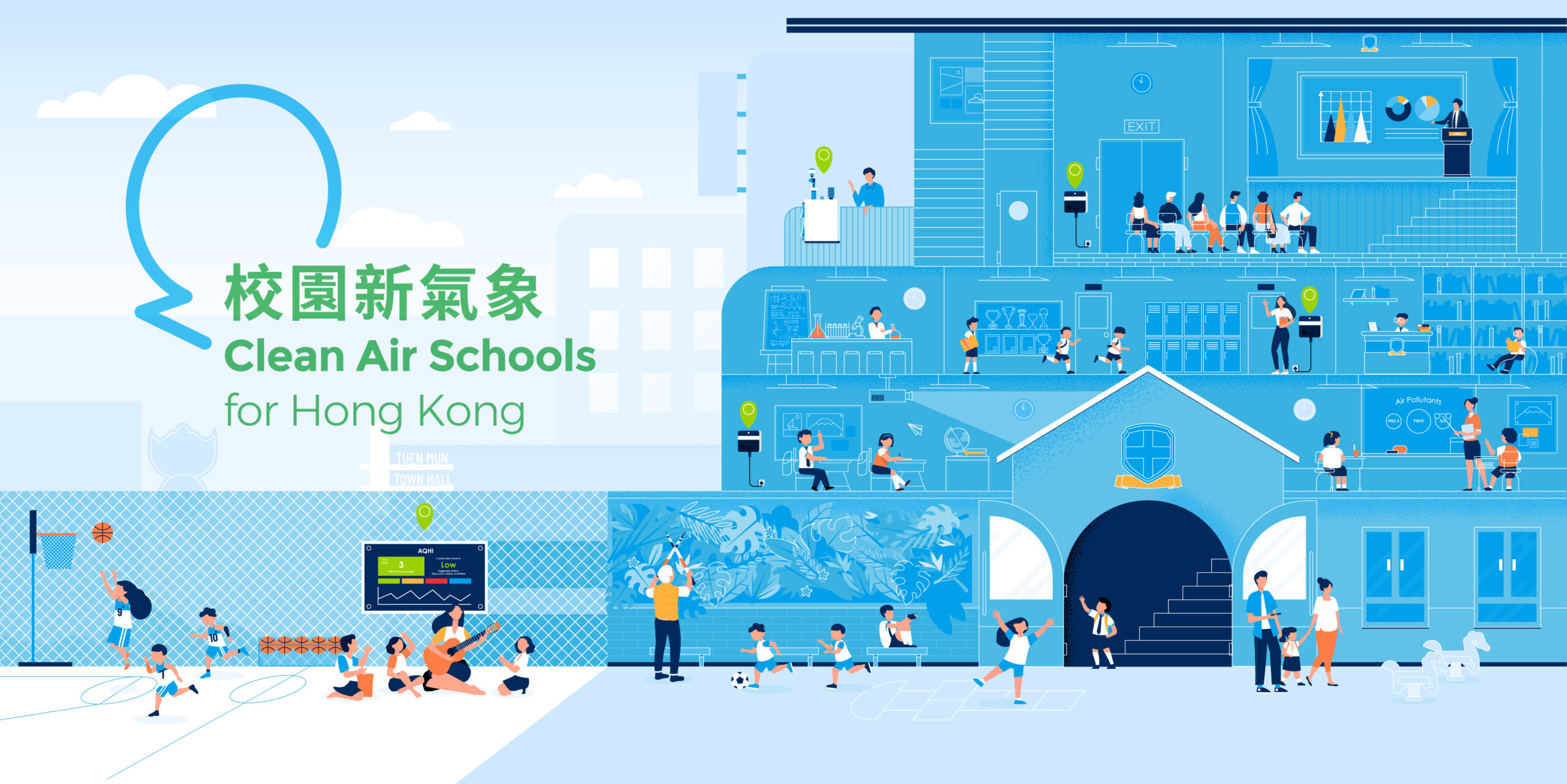
Many youths and elders spend considerable time indoors. In Hong Kong, attending school is mandatory for children aged 6-15, with about 8 hours of time per school day spent indoors. A significant percentage of elders in Hong Kong live in elderly homes, spending over 90% of their time indoors.
Without proper indoor air quality ("IAQ") management in the schools and elderly homes in the polluted districts, prolonged period of staying indoor would expose youths and elders to high health risks from air pollution, particularly in the 5 Most Polluted Districts, including Yau Tsim Mong, Sham Shui Po, Kwun Tong, Tun Mun and Yuen Long.
Our goal is to improve air quality for the vulnerable groups, who spend most of their time in an indoor environment in the most polluted districts, to provide urgent support and alleviate the public health conditions of the needy, particularly focusing on children and the elderly staying in kindergartens, nurseries, child care centres, primary schools, secondary schools, and elderly homes.
Key Programmes:
Awakening Awareness
CAN has consistently escalated public understanding of the urgency, impact and relatable air quality issues over the past decade. The public awareness of health impact of air pollution is now substantially higher than the time before CAN was established.
Related Work:
Catalyzing Policy Change
Our past work has resulted in substantial Government policy changes during 2013-2023 including the following:
- Mandated by law a review of Air Quality Objectives at least once every 5 years
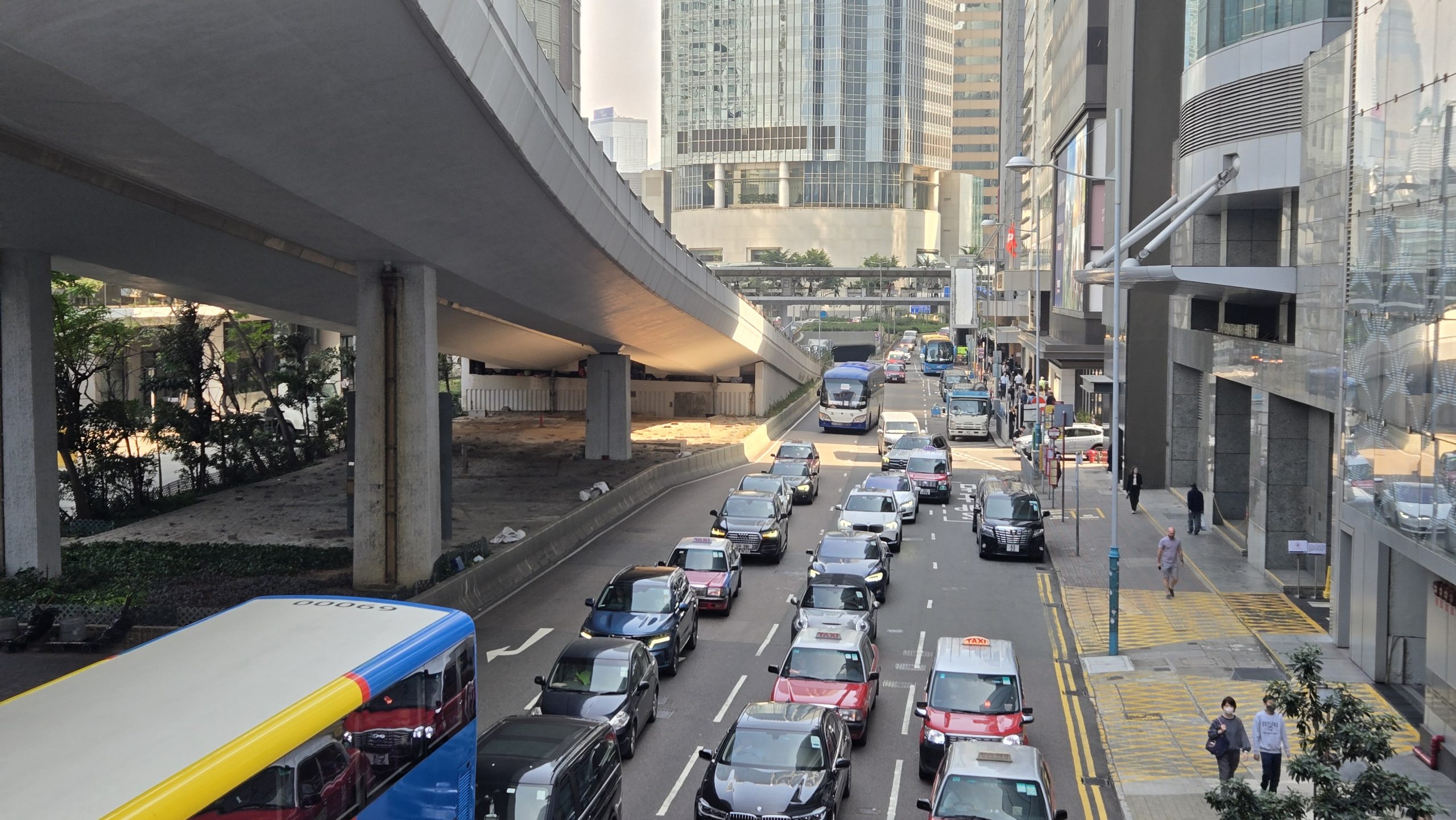
- Mandated by law a maximum service life of 15 years for diesel commercial vehicles.
- Mandated by law requiring ocean-going vessels to switch to cleaner fuel at berth, significantly reducing ship emissions.
- Committed to formulating and publishing an updated Roadmap by 2024 for popularizing the electric vehicles in Hong Kong, outlining strategies for transitioning to new energy commercial and private road vehicles.
- Committed to formulating and publishing the Hydrogen Strategy by 2024 to fuel road and marine transport.
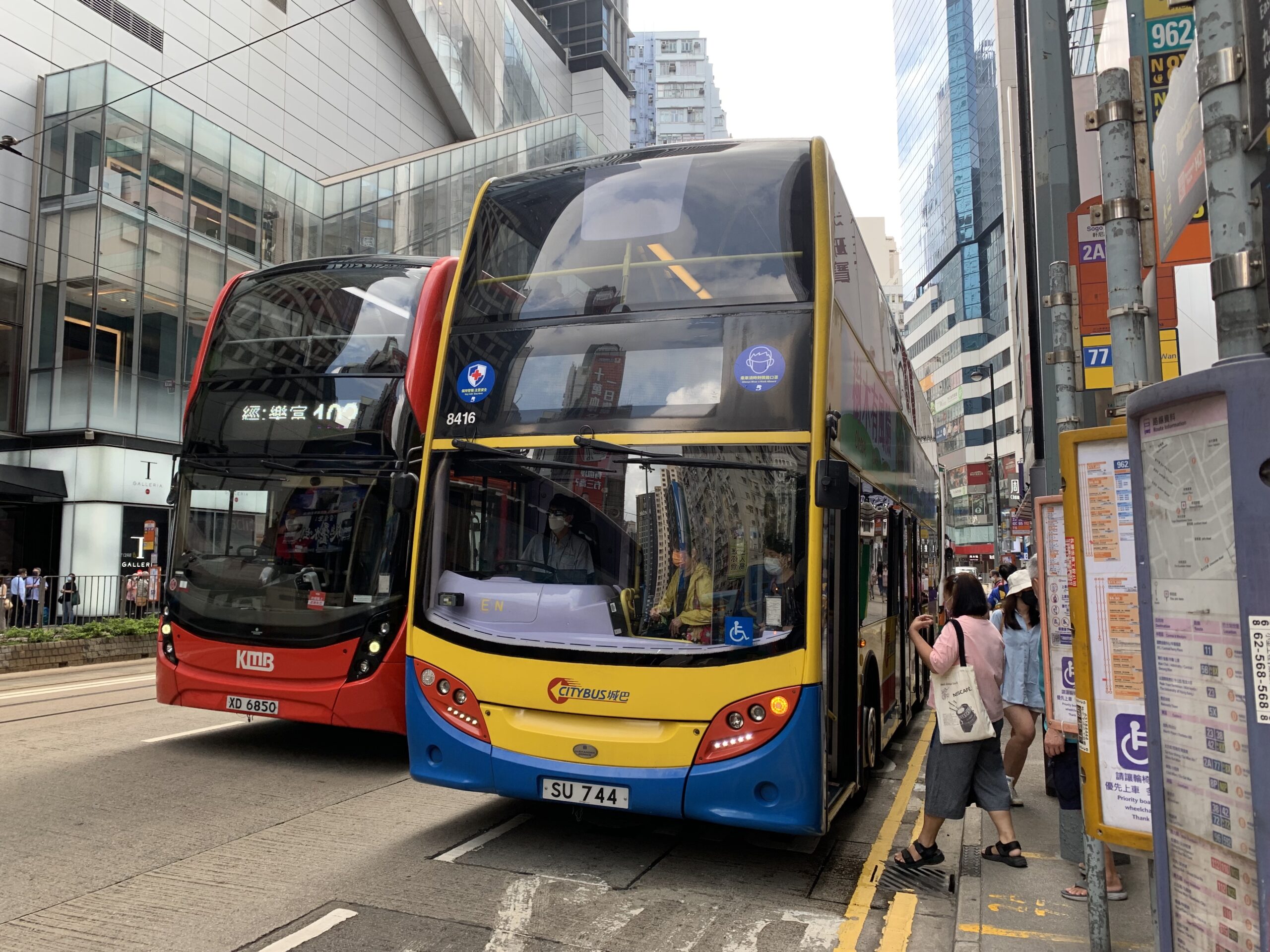
- Committed to introducing over 10% of new energy franchised buses and taxis, banning internal combustion engine vehicle registration by 2035, and conducting trials on electric freight vehicles, minibuses, and ferries.
As a result of the policy changes and awareness-building efforts, Hong Kong's air quality has been improving continuously, with over 40% to 60% reduction in major air pollutants at the ambient and roadside level during the past decade (2012-2022).
Building Coalition
In 2021, CAN co-initiated with Civic Exchange the formation of the “Zero Emission Mobility Consortium" - a coalition comprising all franchised bus operators, major energy operators and academia to push for the transition to green public transport. In the 2022 and 2023 Policy Addresses, the Government highlighted several new energy transformation plans.
Related Work:
Integrating Expertise
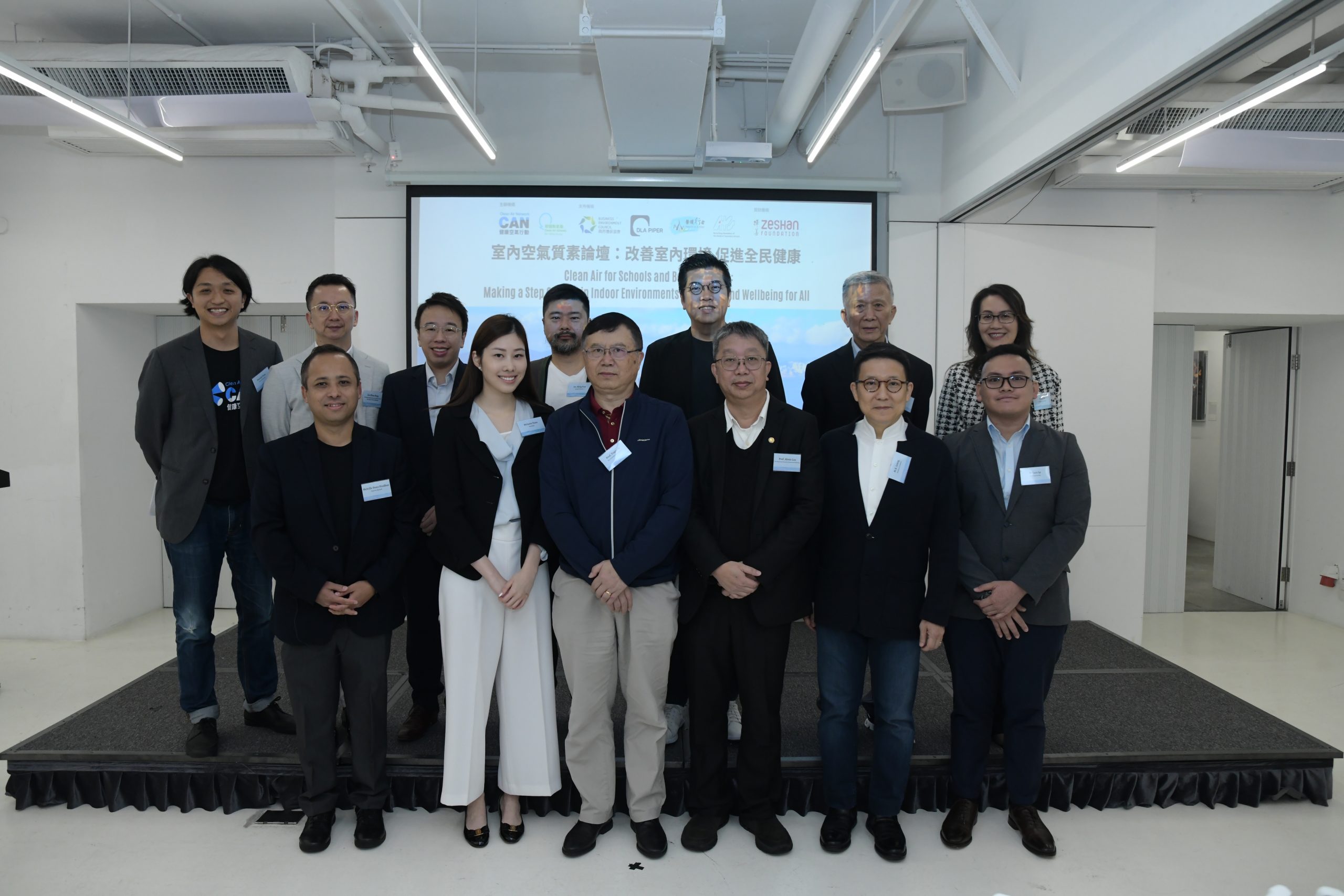
Since 2022, CAN has been building the knowledge related to indoor air quality (“IAQ”) issue through working closely with academia and schools. In 2024, CAN further consolidated the findings by various experts, aroused awareness among various sectors on the issue and organised the IAQ Forum. It was attended by expert speakers and guests from multiple sectors, including the environment, education, social welfare, architecture, commercial and the Government to discuss IAQ and other related issues, including decarbonisation and building retrofitting. It paved the way for further advancement of the push for IAQ improvement in the future.
Related Work: