

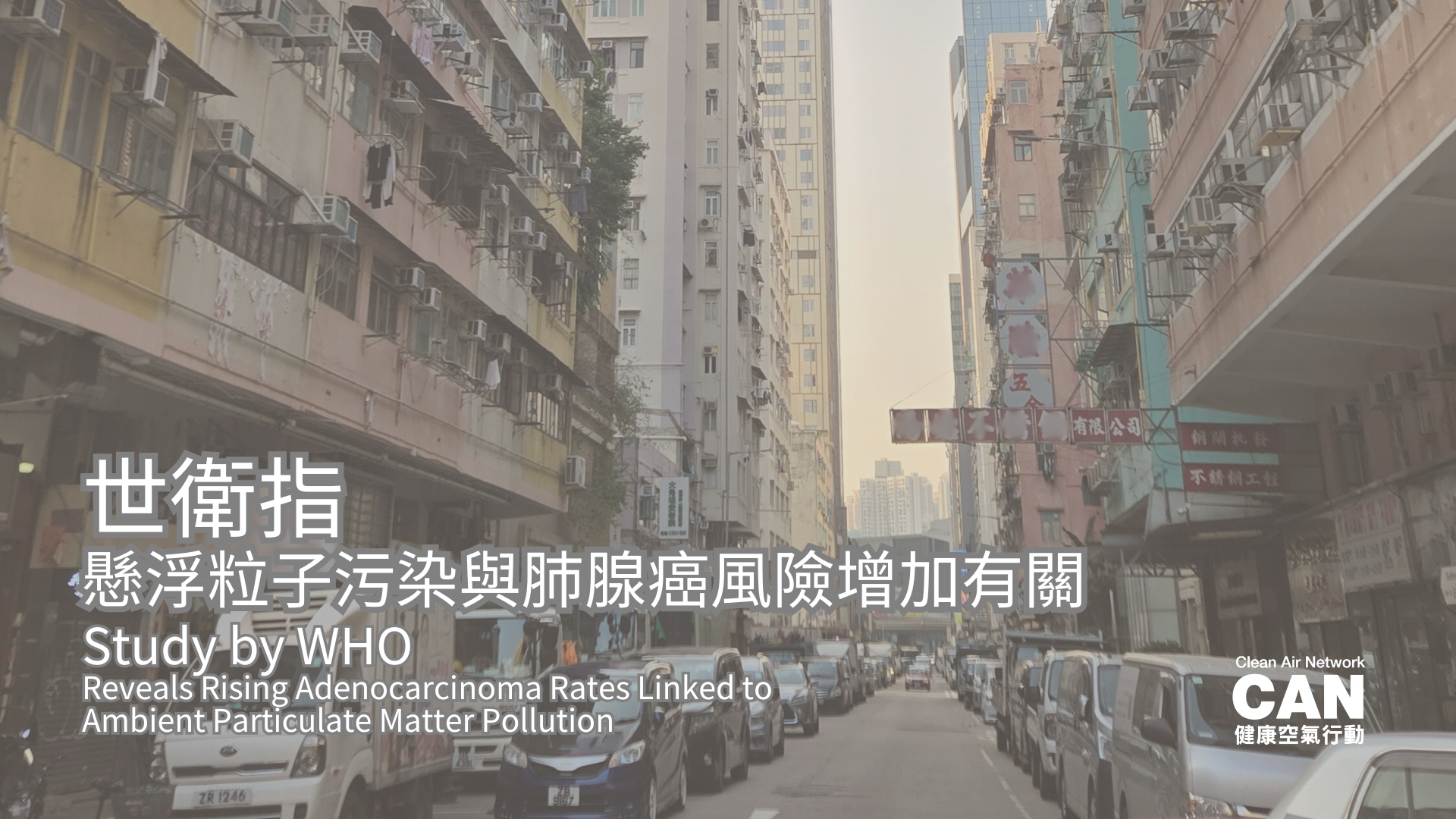
Study by WHO Reveals Rising Adenocarcinoma Rates Linked to Ambient Particulate Matter Pollution
An agency of the World Health Organization, the International Agency for Research on Cancer (IARC), published a study last month in the world’s highest-impact medical journal, Lancet Respiratory Medicine, revealing alarming trends in lung cancer, particularly for lung adenocarcinoma, which has become the predominant subtype. East Asia, especially China, bears the highest burden of adenocarcinoma linked to ambient particulate matter pollution. In 2022, nearly 200,000 cases, accounting for approximately 15% of adenocarcinoma cases, were linked to particulate matter pollution, highlighting its role as a critical health risk factor.
Dr. Freddie Bray, the lead author, emphasised that understanding the connection between air pollution and lung cancer is vital for effective prevention strategies. Lung cancer remains the leading cause of cancer incidence and mortality worldwide, underscoring the urgent need to address air pollution as a significant public health concern.
While Hong Kong’s air quality has shown improvement, as noted in our annual review, it still exceeds WHO thresholds, with ambient and roadside fine particulate matter (PM2.5) concentration exceeding limits by 200% to 300% respectively in 2024. The associated health risks cannot be overlooked. We remain dedicated to advocating for stronger policies to safeguard our communities from the threats posed by air pollution.
Reference:
Luo Ganfeng, Zhang Yanting, Rumgay Harriet et al. Estimated Worldwide Variation And Trends In Incidence Of Lung Cancer By Histological Subtype In 2022 And Over Time: A Population-Based Study. The Lancet Respiratory Medicine, 2025.