

Indoor Air Quality study: Identify existing solutions for IAQ monitoring, reporting and improvement
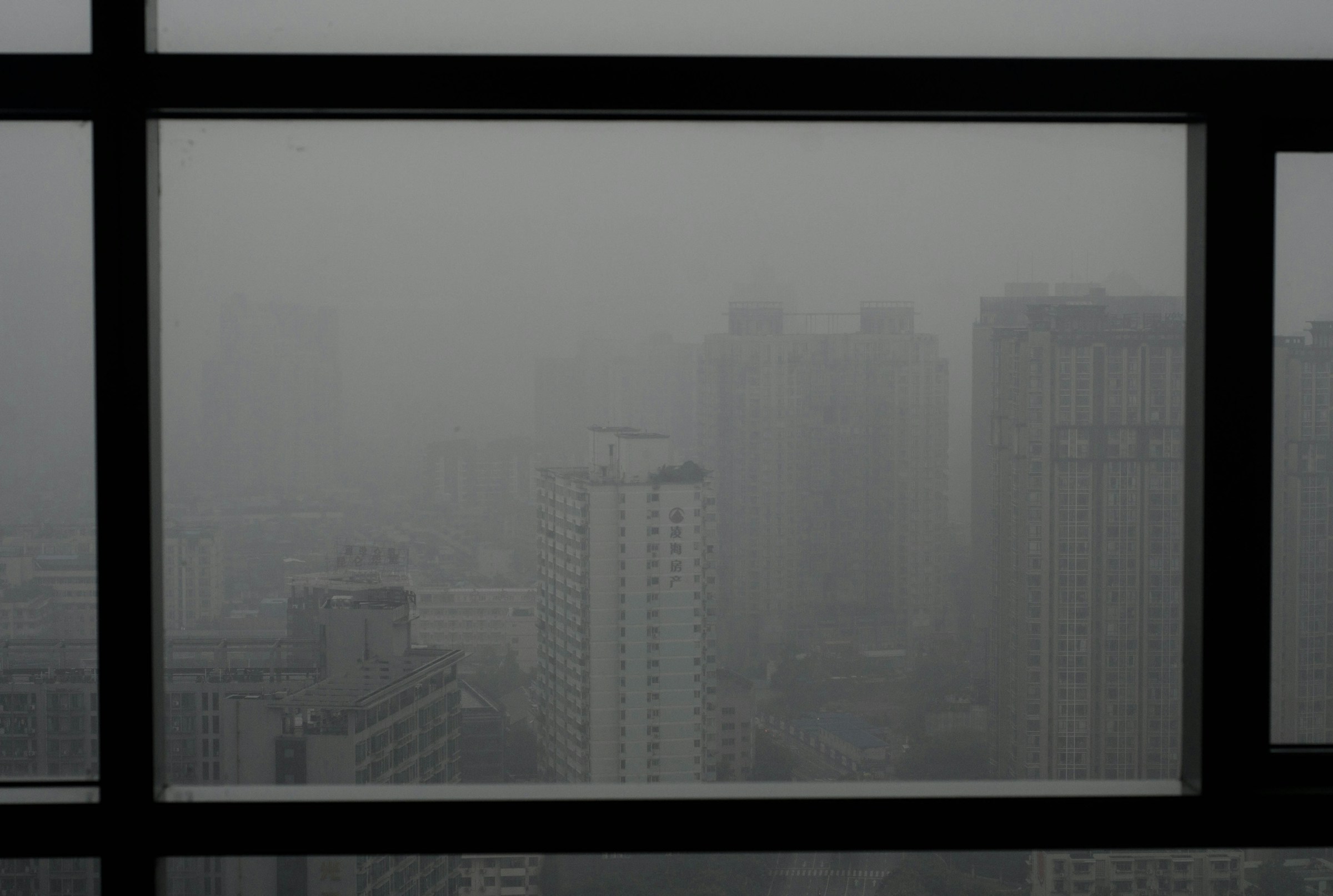
Photo by Clement Souchet, Unsplash.
This report presents a comprehensive evaluation of indoor air quality (IAQ) technologies, policies, and practices in global cities comparable to Hong Kong, with a primary focus on the unique challenges and developments specific to Hong Kong. Although the city has made significant advances in IAQ monitoring, it continues to struggle with issues such as limited IAQ reporting, inadequate management of residential air quality, and a need for more stringent regulatory frameworks and collaborative efforts.
In contrast, cities such as Tokyo, Seoul, Shanghai, Dubai, New York, and Singapore have pioneered the implementation of advanced sensor systems, integrated building management solutions, and robust regulatory structures. These cities provide critical lessons that could inform and enhance Hong Kong’s approach to improving IAQ.
Notable insights from the report reveal advancements in sensor technologies, including electrochemical sensors, particulate matter (PM) detection, infrared sensors, and IoT-integrated systems, which facilitate real-time IAQ monitoring. Successful practices from other countries demonstrate the benefits of centralized building management systems, proactive reporting mechanisms, and rigorous certification standards, such as LEED, WELL, and ASHRAE. Specifically, Singapore and Dubai have instituted mandatory IAQ testing and ongoing monitoring, accompanied by penalties for non-compliance, thereby fostering a culture of accountability and health-focused building management.
The report also emphasizes innovative air purification and ventilation solutions, including HEPA filters, UVGI systems, demand-controlled ventilation, and hybrid models tailored to specific climatic and urban conditions. While Hong Kong primarily utilizes portable HEPA units and filter-based purifiers, there is a substantial opportunity to adopt more integrated, energy-efficient systems that comply with international standards.
In conclusion, the report advocates for the establishment of a mandatory, data-driven IAQ regulatory framework, the development of a public IAQ portal, and enhanced inter-agency collaborations to foster healthier indoor environments. By harnessing technological advancements alongside stronger policies, Hong Kong can effectively confront its IAQ challenges and safeguard public health.
To read the full report, click here.