

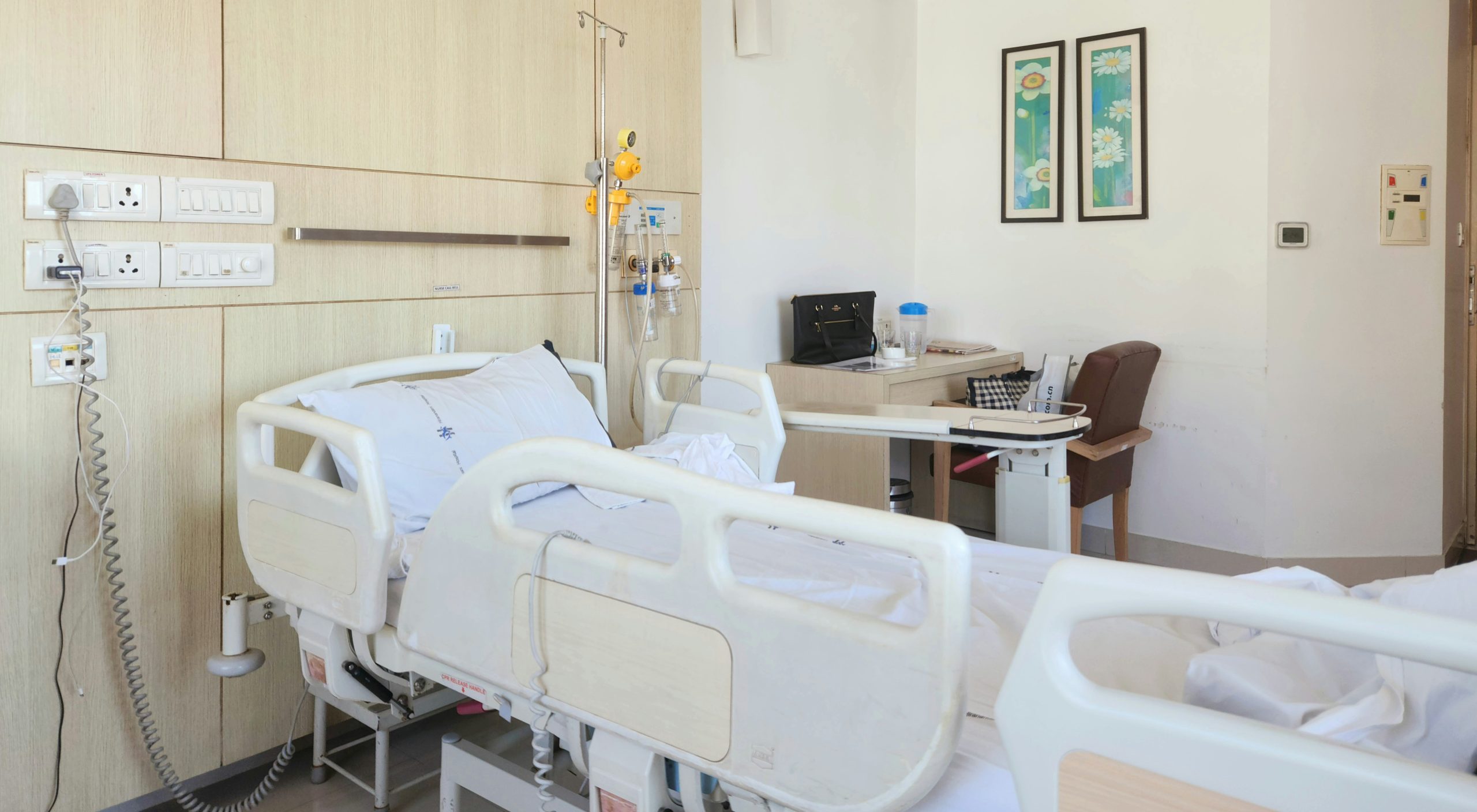
Indoor Air Quality and Sick Building Syndrome: Lessons from Hospitals and a Hong Kong Practice Example
(Photo from unsplash)
Introduction
Indoor air quality (IAQ) is a key but often underestimated factor affecting health, comfort, and performance in buildings. This is especially true in healthcare settings, where staff work long hours indoors and vulnerable patients depend on safe environments.
Research on hospitals in eastern China shows that poor IAQ is closely linked to Sick Building Syndrome (SBS) among medical staff, while real-world examples from Hong Kong demonstrate how targeted air-cleaning technologies can help improve indoor conditions.
Introducing the Sick Building Syndrome (SBS)
Sick Building Syndrome describes a collection of symptoms that people experience when spending time inside certain buildings. These include eye, nose or throat irritation, dry or itchy skin, headaches, tiredness, dizziness, and difficulty concentrating.
Symptoms often ease after leaving the building, making the indoor environment the likely cause rather than a specific disease. SBS usually results from long-term exposure to multiple indoor factors acting together.

(Photo by Gustavo Fring, from Pixels)
Why Medical Facilities Matter
Hospitals are an important focus for SBS studies because medical staff face dense occupancy, heavy workloads, and long shifts, often in sealed, air-conditioned spaces designed mainly for infection control rather than comfort.
In China, these pressures are particularly intense, increasing vulnerability to SBS. Hospitals therefore provide a clear picture of how indoor environments affect health under demanding, real-world conditions.
Correlation with Indoor Air Quality
A survey of 615 medical staff across seven hospitals in China found high levels of SBS symptoms: 71.1% reported general symptoms, 61% mucosal symptoms, and 32.8% skin symptoms. Poor air quality, uncomfortable temperature and humidity, limited natural light, noise, and lack of control over the indoor environment were all linked to higher symptom rates. Staff working in cleaner, better-ventilated spaces reported fewer problems.
SBS affects more than comfort. Persistent symptoms can reduce concentration, increase fatigue, and lower work efficiency, which is critical in healthcare where staff performance directly affects patient safety. At an organisational level, poor IAQ can lead to higher absenteeism, lower morale, and increased operating costs.
How IAQ can be enhanced – A Hong Kong Hospital Example
Research highlights the importance of improving ventilation, cleanliness, lighting, humidity control, and reducing indoor pollutants to tackle SBS. In practice, some hospitals are adopting advanced air-cleaning technologies.
Hong Kong Baptist Hospital, for example, has introduced C-POLAR® air filters as part of its IAQ management. These filters use antiviral and antibacterial coating technology to capture and neutralise airborne pathogens, helping reduce the spread of germs in clinical areas while improving overall air cleanliness.
In a medical setting where infection control and staff wellbeing are equally important, such technologies complement good ventilation and building design, showing how practical IAQ solutions can support healthier hospitals.

(Photo from Unsplash)
Sources
Weng, J. et al. (2025). Sick Building Syndrome: Prevalence and Risk Factors Among Medical Staff in Chinese Hospitals. Buildings, 15(9), 1397. https://doi.org/10.3390/buildings15091397
Hong Kong Baptist Hospital Applies Antiviral and Antibacterial Air Filtration Invention to Enhance Protection for Patients and Staff, Hong Kong Baptist Hospital (2022) https://www.hkbh.org.hk/press_centre/hong-kong-baptist-hospital-applies-antiviral-and-antibacterial-air-filtration-invention-to-enhance-protection-for-patients-and-staff/?lang=en