

CLP Case Study on Indoor Air Quality
Case Study: Building for Health and Wellbeing – CLP’s Commitment to Indoor Air Quality
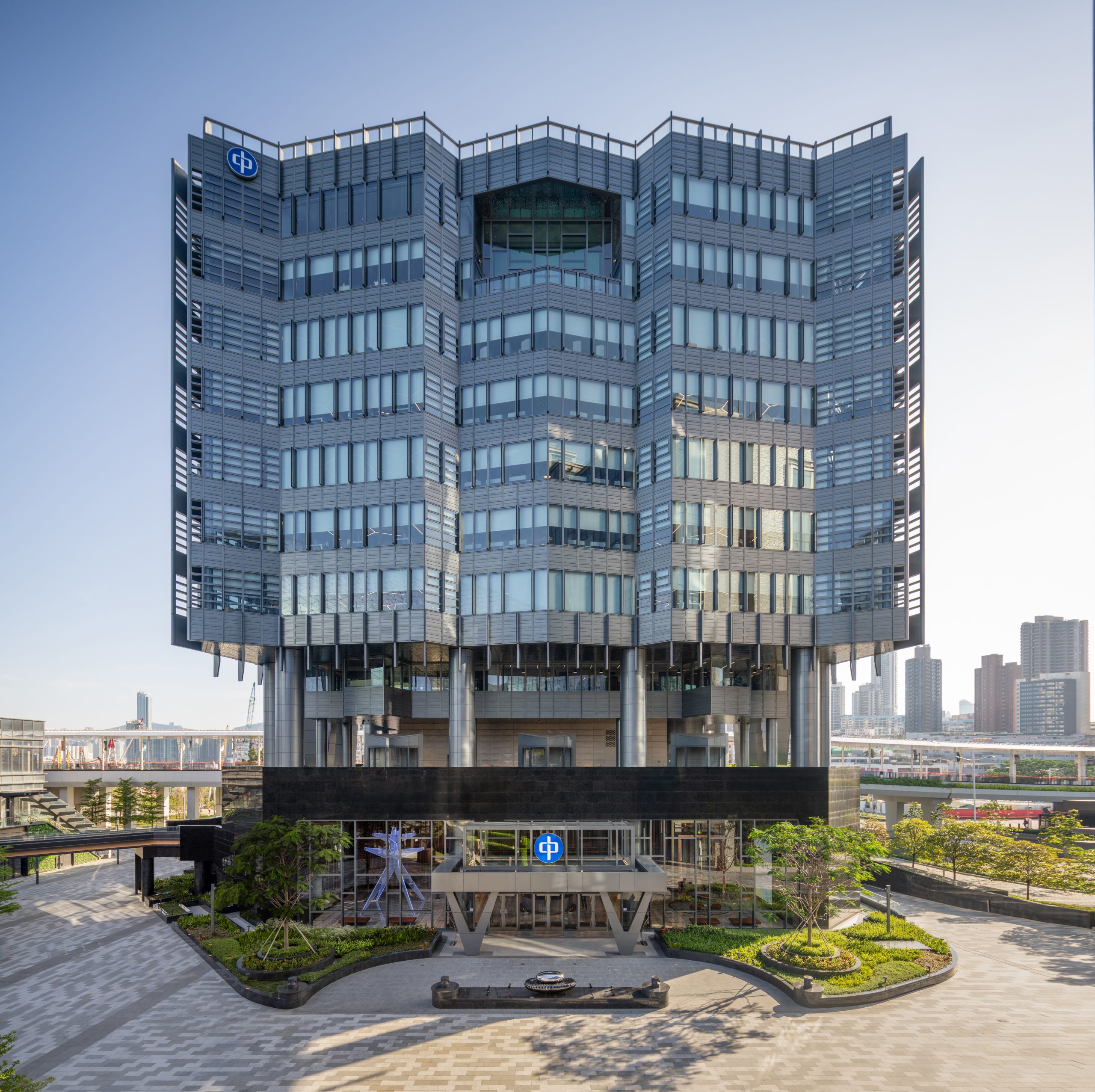
Photo: CLP Headquarters in Kai Tak, Hong Kong
Indoor air quality (IAQ) has become a critical aspect of workplace health, safety, and resilience, particularly in the wake of the pandemic and the growing global emphasis on healthy buildings.
CLP Holdings Limited (CLP) integrates IAQ considerations into its Group Health, Safety and Environment (HSE) Policy, supported by clear internal standards, smart building design, and continuous management practices.
CLP is committed to continually strengthening its HSE performance, and has always strived to create working environments that promote the importance of and improve the health and wellbeing of its workforce.
CLP understands that the quality of air in the indoor environment can have a significant impact on the health, safety and wellbeing of its people. Following the COVID-19 pandemic-induced shift, there has been a heightened global focus on healthy buildings, as well as growing demands for organisations, including CLP, to enhance ventilation standards, increase monitoring, and prioritise resilience against airborne health risks. Therefore, providing good IAQ in workplaces is among the health and safety imperatives of CLP.
In Hong Kong, CLP Power established an internal guideline on IAQ assessment and management for CLP Power’s offices and customer service centres. The guideline requires all working premises equipped with Mechanical Ventilation and Air Conditioning (MVAC) systems to achieve the “Good Class” certification or above under the Hong Kong SAR Government’s voluntary IAQ Certification Scheme.
As one of CLP’s latest properties in Hong Kong, the CLP Headquarters in Kai Tak was designed to achieve the “Excellent Class” IAQ certification. This has contributed significantly to CLP’s attainment of high-level green building certifications including LEED and WELL Platinum, which focus on buildings’ performance in ventilation, filtration, and enhancing occupants’ health and wellbeing.

CLP also views good IAQ as essential for protecting asset quality and creating long-term value, as buildings with sustained environmental performance improve operational efficiency by reducing resource consumption, lowering maintenance costs, and boosting occupant productivity, while demonstrating an organisation’s commitment to sustainability leadership.
The Journey in Addressing IAQ, Comfort and Energy Efficiency
CLP’s IAQ efforts also encompass thermal comfort and energy efficiency, recognising that a balance must be struck between maintaining indoor environmental quality, employee comfort and wellbeing, and sustainable building operation.
Through careful management of temperature and relative humidity, CLP is able to maintain a comfortable working environment for staff in its Headquarters by employing smart controls including a demand-controlled ventilation system that automatically adjusts fresh air intake based on real-time carbon dioxide levels to match actual occupancy within the building. This not only optimises air flow within the building to ensure a healthy IAQ, but also helps reduce energy consumption from air conditioning.
Furthermore, energy-efficient Heating, Ventilation, and Air Conditioning (HVAC) strategies have also been implemented. This includes the use of electrically commutated plug fans for air handling units and primary air handling units (PAU), which allow the motor fans to function at variable speeds according to demand. The HVAC systems are set to run two hours before and after business hours, while fresh air supply is provided for extended hours through the PAU to thoroughly flush the air.
The CLP Headquarters also utilises MERV 14 rating air filters to reduce occupants’ exposures to pollutants including PM2.5, PM10, allergens and other harmful particles that can enter the ventilation system. This has ensured that thebuilding’s ventilation meets ASHRAE and WELL standards. The HVAC system requires real-time continuous IAQ monitoring, routine maintenance, and data-driven system adjustments to ensure that performance remains consistent and aligned with evolving standards.

The CLP Headquarters utilises a digitalised building platform that enables smart controls and AI optimisation to support the monitoring and maintenance of the building’s HVAC system.
The CLP Headquarters also leverages a district cooling system that uses seawater, markedly reducing energy use for on-site chiller systems and supporting efficient heat rejection. This system allows CLP to sustain higher fresh air rates and robust filtration, which is key to ensuring optimal IAQ performance for WELL and LEED certifications.
Challenges Observed and New Insights
During the construction and early occupation of the Kai Tak Headquarters, CLP faced challenges in managing volatile organic compound (VOC) emissions, even with the use of low-VOC materials. VOC emissions are often unavoidable during renovation activities such as painting, adhesive application, coating curing, and the off-gassing of new materials. To mitigate these impacts, standalone air purifiers were deployed to provide supplementary air cleaning during the initial move-in phase.
A key insight from this process is that as the influence of renovation- and construction-related VOC emissions gradually diminished over time, human factors and daily office operations became the dominant drivers of IAQ performance. For instance, increased occupancy levels led to noticeable fluctuations in carbon dioxide concentrations, while routine cleaning practices, including the use of sanitisers or fragrances, as well as personal items such as alcohol wipes and portable humidifiers introduced additional VOC sources that were not originally accounted for.
CLP also observed that airflow patterns, although carefully designed, could be disrupted by occupant behaviors such as the rearrangement of furniture and the placement of boxes or partitions in ways that obstruct supply and return grilles, as well as the opening of windows during periods of high outdoor pollution. The growing number of personal electronic devices associated with higher occupancy also introduced unexpected heat loads and fine particulates which subtly affects thermal comfort and IAQ stability.
CLP’s efforts were recognized through multiple green building certifications including BEAM Plus Platinum NB Version2.0, WELL Platinum Certification, LEED Platinum v4 BD+C: New Construction, Merit Award for the Green Building Award 2025 under the New Buildings – Completed Project (Commercial) Category, and Grand Award for The Excellent Building Award 2026 by The Hong Kong Institute of Engineers Building Services Division.