

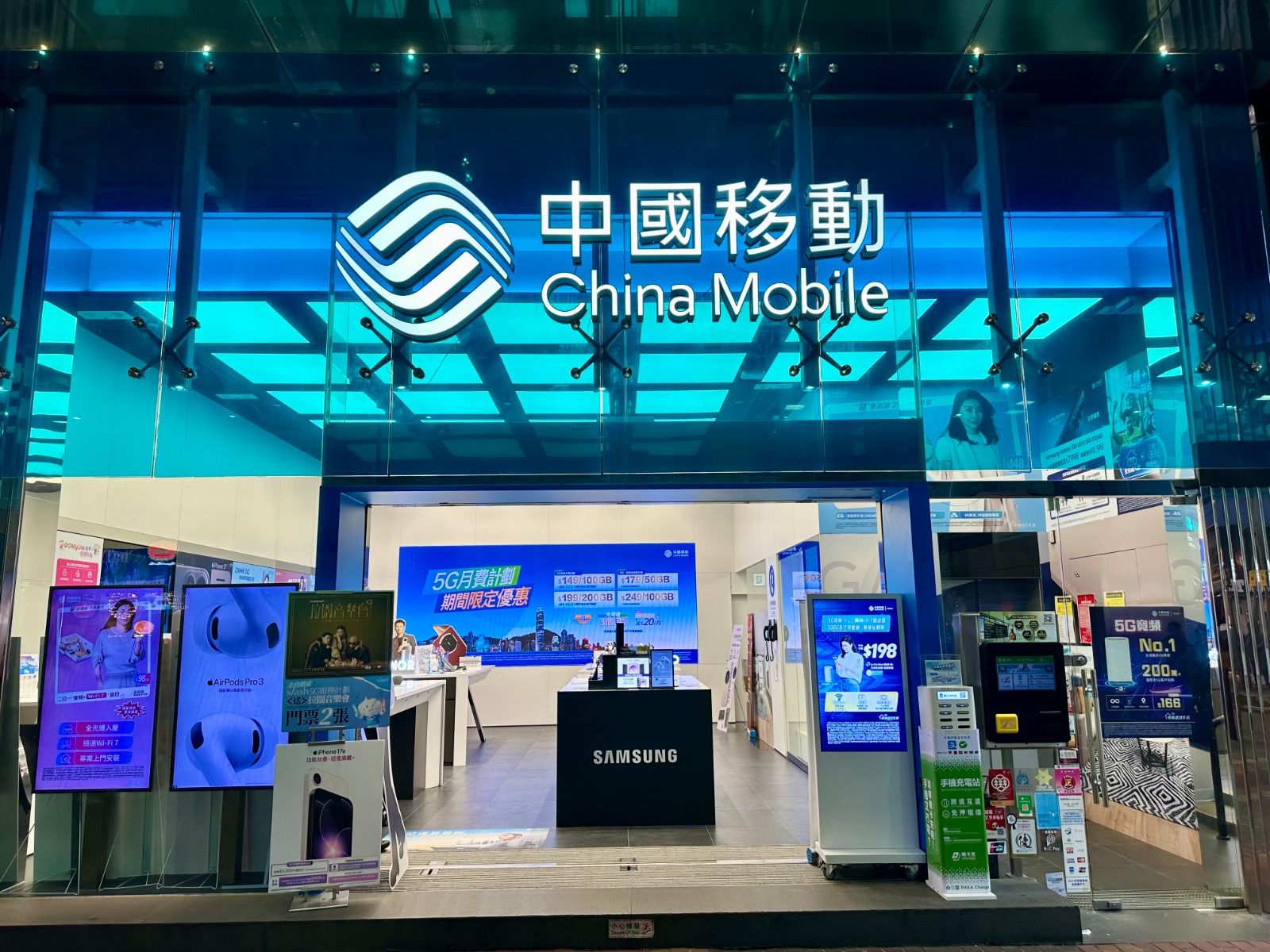
China Mobile Hong Kong Case Study on Indoor Air Quality
How China Mobile Hong Kong Enhances Customer and Staff Well-being Through Indoor Air Quality Management in Retail Stores
Introduction: Elevating Retail Experience Through Clean Air
China Mobile Hong Kong recognises that a healthy indoor environment is a foundational element of customer trust and service excellence. Across its extensive network of retail storefronts, China Mobile Hong Kong has adopted a proactive approach to indoor air quality (IAQ) management, integrating clean air solutions into daily operations to protect both customers and frontline staff. This initiative reflects a growing understanding that IAQ is not only a public health issue, but also a critical component of modern, customer-centric retail environments.
The Challenge: High Footfall and Prolonged Indoor Exposure
Retail stores present unique IAQ challenges. Enclosed layouts, high customer turnover, extended operating hours, and frequent verbal interactions can contribute to the accumulation of carbon dioxide (CO₂), particulate matter, and other airborne pollutants. In densely populated cities like Hong Kong, outdoor air pollution can further compromise indoor environments when not properly managed. Ensuring consistently good IAQ in such settings is essential to maintaining staff alertness, customer comfort, and overall operational resilience.
A Proactive Solution: Store-wide Deployment of Air Purification
Building on lessons from the COVID-19 pandemic, China Mobile Hong Kong implemented targeted IAQ measures across its retail network, with a focus on prevention, resilience, and long term sustainability.
High-performance air purifiers were installed in customer service areas, consultation zones, and staff workspaces to continuously reduce airborne pollutants and improve overall air cleanliness.
The selected systems are designed to address key indoor pollutants commonly found in retail settings, including:
- Particulate Matter (PM2.5 and PM10): Emitted from outdoor traffic pollution and resuspended by foot traffic.
- Volatile Organic Compounds (VOCs): Released from electronic equipment, furnishings, cleaning products, and display materials.
This consistent, store-wide deployment ensures that clean air protection is not limited to selected locations, but benefits all customers and staff throughout the retail environment.

Operations and Maintenance: Ensuring Continuous Performance
China Mobile Hong Kong understands that IAQ technology must be supported by disciplined operational practices to remain effective. Air purifiers are operated throughout business hours, particularly during peak customer periods when indoor pollutant levels and CO₂ concentrations can rise rapidly.
This approach helps maintain comfort, reduces fatigue among staff, and supports clearer communication during customer interactions.
Regular maintenance protocols are in place to ensure timely filter replacement and system upkeep, preventing performance degradation and secondary pollution risks. These measures are complemented by proper management of existing ventilation and air-conditioning systems, creating an integrated approach that combines localised air cleaning with central ventilation for continuous air renewal.
An Experience for Healthier Retail Spaces in Hong Kong
By embedding IAQ management into its retail operations, China Mobile Hong Kong demonstrates leadership in creating healthier, more resilient commercial spaces. The initiative highlights how clean air strategies can enhance customer experience, support staff well-being, and strengthen operational sustainability in Hong Kong’s competitive retail landscape.
As awareness of IAQ continues to grow, China Mobile Hong Kong’s experience offers a practical and replicable blueprint for other retail operators. It is encouraging to see large-scale commercial organisations take concrete action on clean air, and it is hoped that more retailers across Hong Kong will follow suit—making healthy indoor air a new standard for the city’s public-facing spaces.