

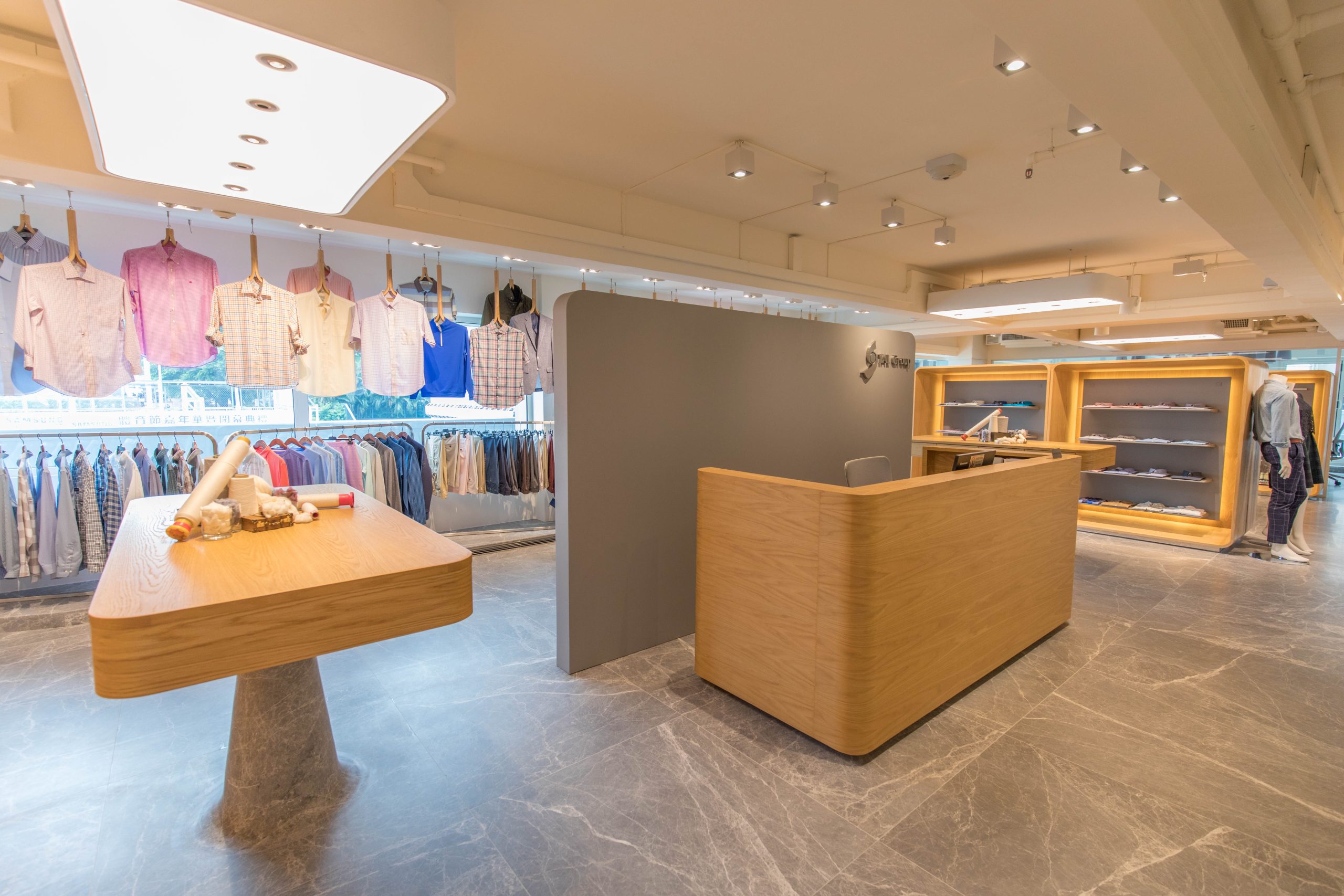
TAL Apparel Case Study on Indoor Air Quality
How leadership can shape healthier workplaces through advanced IAQ management. – TAL Apparel Headquarters and company direction
Reflecting a deep commitment to sustainability, Tal Apparel’s headquarters building is engineered to enhance the well-being of its occupants. The design moves beyond conventional energy savings to actively promote user health through a focus on management of indoor air quality (IAQ).
- Employee health is the central driver of sustainability strategy incorporating IAQ management
- Embracing innovation and technology solutions to overcome barriers
- Leveraging energy-efficient HVAC system for dual returns in financial savings and improved IAQ
Commitment to Health and Sustainability: TAL Apparel’s Vision and Strategy
The Group’s attention to indoor air quality (IAQ) was initially sparked by rising health concerns linked to poor air quality in urban environments.
Reports of increased respiratory issues, allergies, and overall health deterioration among employees highlighted the urgent need for improvement. Additionally, government regulations and public awareness campaigns underscored the importance of maintaining healthy indoor environments. This combination of health data, regulatory pressure, and a commitment to corporate social responsibility prompted the Group to initiate IAQ management efforts.
A key lesson from the group is that most people aren’t fully aware of the impact IAQ has on health and productivity, and often see it mainly as an extra cost. To engage stakeholders, they focused on communicating the clear benefits—better health, less yawning, fewer sick days, and stronger brand reputation—positioning IAQ as an investment, not just an expense. Creative education, transparent benefits, and real-world success stories have helped make IAQ a greater priority.
This strategy of sustainable development requires endorsement from the highest levels of management. Group Chairman Dr. Harry Lee personally engages with the building’s systems to show support for the project and set an example for the company.
 Overcoming Environmental and Technical Challenges
 Overcoming Environmental and Technical Challenges
The main technical challenges stem from the building’s location as it is located next to a major roadway and pollution source (Transport Department, 2023), and from Hong Kong’s hot and humid climate.
The solution for these problems revolve around good design principles and strategic investment in equipment. The retrofit used sensor based building management systems to control energy usage through automatic adjustment of output by the cooling system, dehumidification of outdoor air to save energy from cooling and reheating as well as provide an acceptable environment for users of the space by reducing moisture on the inside of the building.
A double filtration system using pleated filters and aluminium filters over the original single aluminium filter system to reduce the ingress of Particulate Matter by around half (Che et al., 2019) and improve user health though clean air. A positive pressure system which prevents hot, humid and polluted outside air from leaking in also contributes to the management of Indoor Air Quality of the building.
Impacts and achievements: Health, Environmental, and Financial Benefits
This filtration lowers health risks from environmental air pollution, which is known to cause health impacts such as respiratory issues, cardiovascular problems, cancer and increased mortality.
Beyond environmental benefits, the system is also financially sound. Over a 2-year period, the average energy consumption of the HVAC system was 51% lower than before the retrofit. An expert from the Hong Kong University of Science and Technology estimated that the system would pay for itself within 3 to 4 years, with TAL Apparel confirming the electricity usage reduction and payback period.

After revamping their Heating, ventilation and air-conditioning systems in 2012, TAL HQ has been recognized as a successful case of sustainable building management by the United States Green Building Council. Achieving the LEED for Commercial Interiors Platinum Certificate in 2017, the highest standard in the rating system which measures energy and water savings and a positive example of how a building retrofit can achieve both user comfort and energy savings with careful design.
Overall, the TAL Building retrofit shows that conservation and green initiatives are compatible with user comfort and financial viability. Provided companies are willing to implement a sustainable strategy, commit to implementing environmentally friendly practices and embrace innovative technological solutions to practical engineering problems instead of staying with traditional approaches.
Citations
Transport Department, Hong Kong Government. The Annual Traffic Census 2023. https://atc.td.gov.hk/2023/AnnualTrafficCensus2023.pdf
Che, W. W., Tso, C. Y., Sun, L., Ip, D. Y. K., Lee, H., Chao, C. Y. H., & Lau, A. K. H. (2019). Energy consumption, indoor thermal comfort and air quality in a commercial office with retrofitted heat, ventilation and air conditioning (HVAC) system. Energy and Buildings, 201, 202-215. https://doi.org/10.1016/j.enbuild.2019.06.029
Acknowledgment: Photos courtesy of Tal Apparel.