

Case Study 1: China – Standards-Led Regulation Without a Single IAQ Statute
(Photo from Unsplash)
Objective: This is one of a series of five case studies. The objective of this series of case studies is to identify the range of legislative approaches and practical models adopted in comparable jurisdictions, as well as the policy journey by which such frameworks were established. By demonstrating both the importance and feasibility of regulatory regimes that set mandatory indoor air quality (IAQ) standards and require monitoring and reporting in specific settings, the study is intended to inform policy development and stimulate discussion on the implications for Hong Kong.
China illustrates a standards‑driven and fragmented IAQ governance model, where mandatory technical standards play a stronger role than primary legislation. There is no single national IAQ law; instead, indoor air quality is regulated through a combination of public health regulations, building standards, and sector‑specific rules.
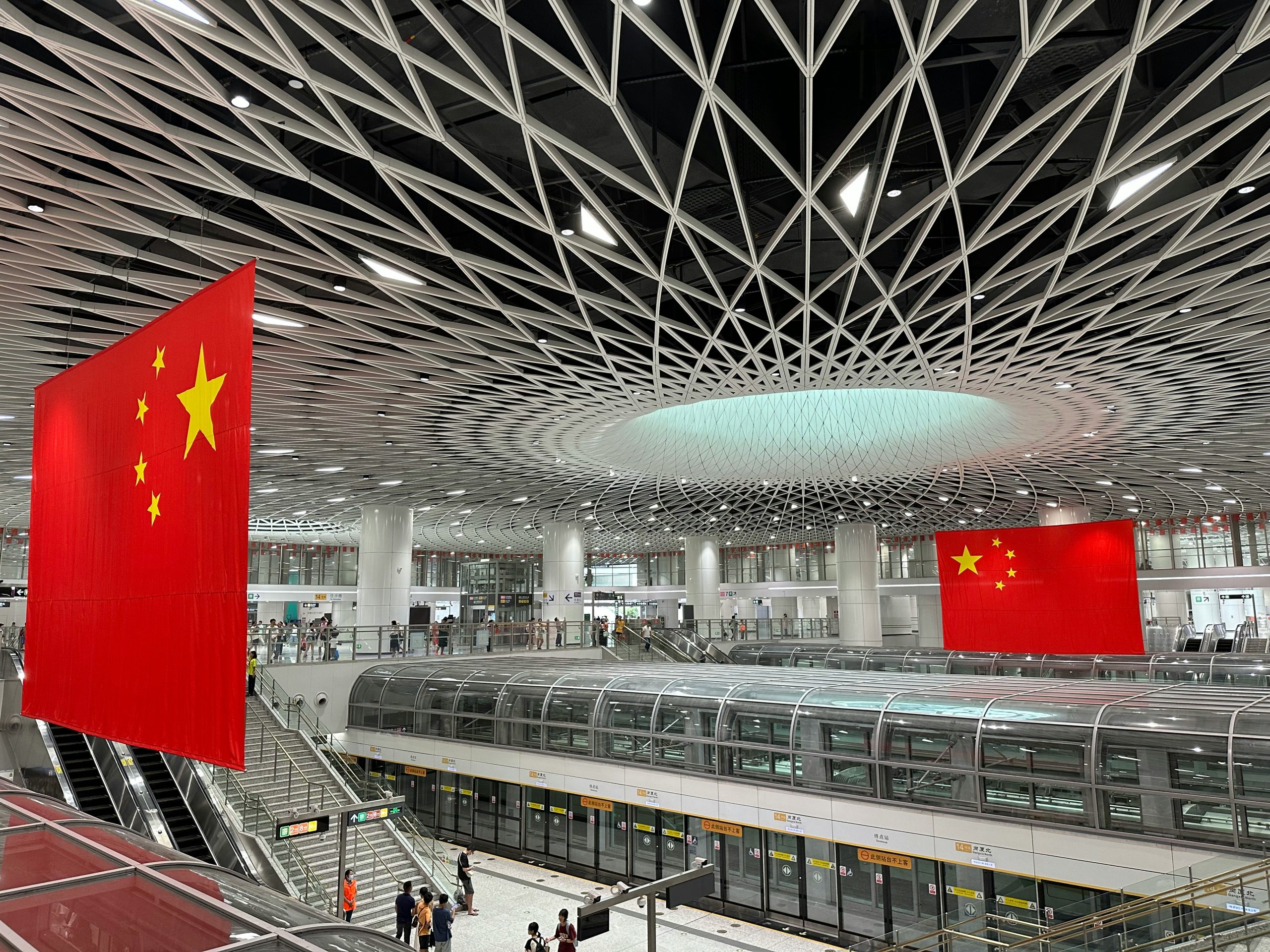
At the national level, mandatory hygiene standards such as GB 37488‑2019 Hygienic Indicators and Limits for Public Places impose binding IAQ parameters for a wide range of public venues, including schools, hospitals, transport hubs and shopping centres. These standards mandate periodic IAQ testing (at least annually) and public disclosure of results in prominent locations, backed by administrative penalties for non‑compliance. CO₂ concentrations are widely used as a proxy for ventilation adequacy, reflecting a practical and enforceable monitoring approach.

(Photo from Unsplash)
China’s building and construction sector further embeds IAQ controls through lifecycle requirements under GB 50325, which applies to new construction, renovations and expansions, regulating material selection, ventilation design and pre‑occupancy IAQ testing. This creates a strong link between IAQ performance and construction approval, even in the absence of a standalone IAQ statute.
Local experimentation strengthens this framework. Shanghai, for example, requires IAQ testing and public disclosure for sensitive buildings (schools, kindergartens, elderly care facilities) following renovations, and mandates hygiene management of central air‑conditioning systems throughout their operational lifecycle. Shenzhen has begun exploring stronger public‑building IAQ management through policy proposals and public health collaboration.

(Photo from Unsplash)
China’s policy journey demonstrates a pragmatic, incremental pathway: starting with mandatory standards, embedding them into building and public‑health systems, and gradually expanding monitoring and disclosure duties in higher‑risk environments. This approach shows that enforceable IAQ protection can be achieved without comprehensive new legislation—an insight directly relevant for Hong Kong’s phased, risk‑based policy development.