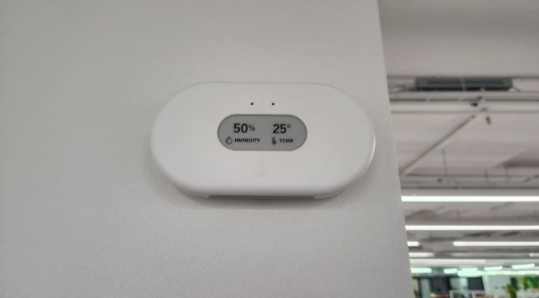
Indoor Air Quality (IAQ) refers to the quality of the air within and around buildings and enclosed spaces where people spend a significant portion of their time.
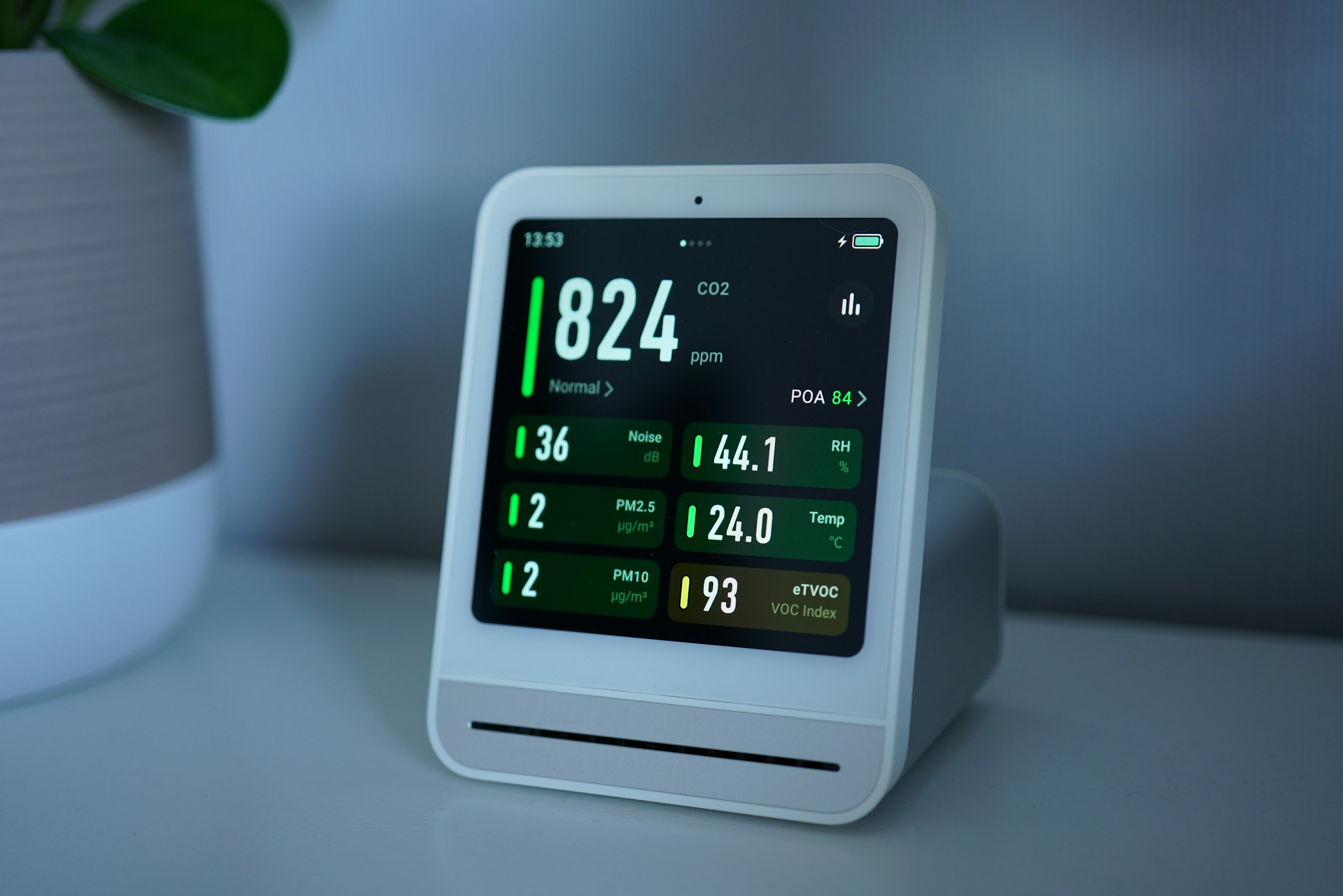
IAQ is influenced by ambient parameters, such as indoor air temperature, surrounding surface temperature, air movement, rate of air exchange, relative humidity, pressure, and pollutants such as particulate matter (PM2.5), volatile organic compounds (VOCs), biological contaminants, and other harmful substances.
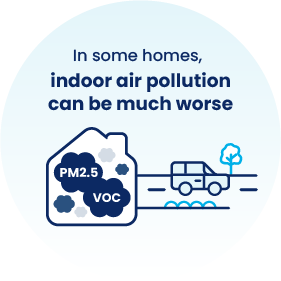
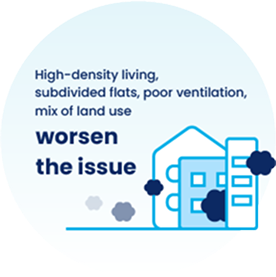
While outdoor air pollution often gets more attention, research increasingly shows indoor air pollution can be much worse. In Hong Kong, PM2.5 levels inside some homes exceed those near the busiest roads, and VOCs in kitchens can be over 12.5 times higher than outdoor levels. Factors like high-density living, subdivided flats, poor ventilation, and mixed residential-commercial use contribute to this hidden but serious issue.
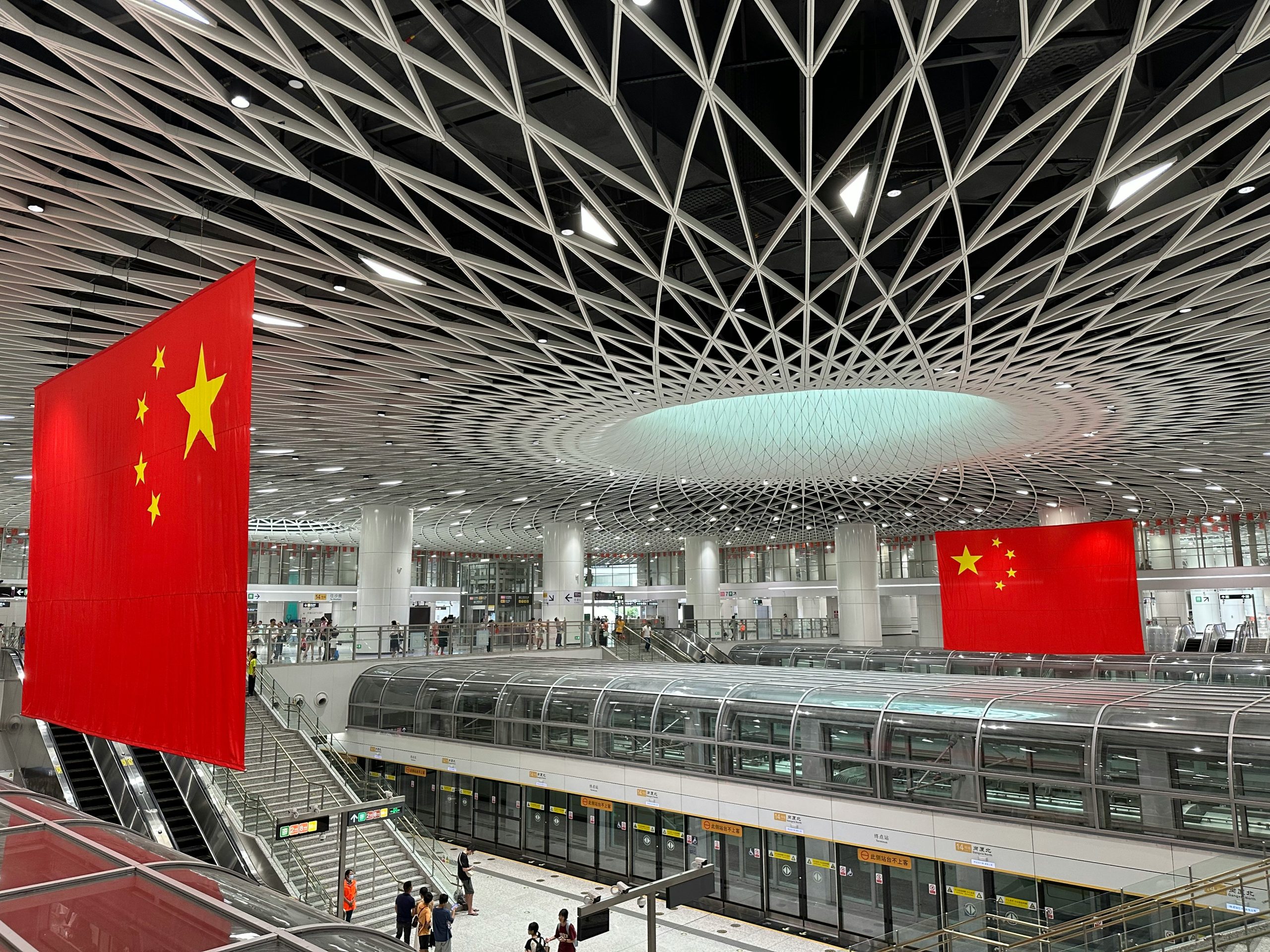
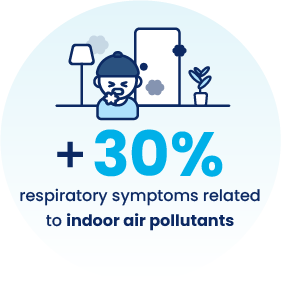
IAQ affects many everyday places beyond homes—commuting, shopping, working, schooling, dining, and public facilities—all posing unique challenges to air quality and health. Poor IAQ is linked to chronic respiratory illnesses, allergies, reduced cognitive function, and long-term risks, with a 30% rise in respiratory symptoms related to indoor pollutants over the past decade.
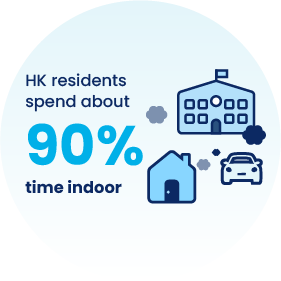
Addressing IAQ in Hong Kong involves complex policies and building practices. The COVID-19 pandemic highlighted the importance of ventilation in reducing airborne disease risks indoors. Since residents spend about 90% of their time indoors, improving IAQ is vital for public health, comfort, and reducing disease burden.
Various pollutants found in indoor environments can cause a wide range of acute and chronic health problems, from mild irritation to serious respiratory and cardiovascular diseases. Understanding these pollutants is essential for creating healthier living and working spaces.






Air affects everyone in society as a major environmental health risk which does not discriminate between class, age, race or sex.

Children are more vulnerable due to their developing bodies, damage caused by air pollution can result in long term health problems which last the entire lifespan.

Elderly are vulnerable due to age-related declines in immune and respiratory health, as well as a higher prevalence of chronic disease.

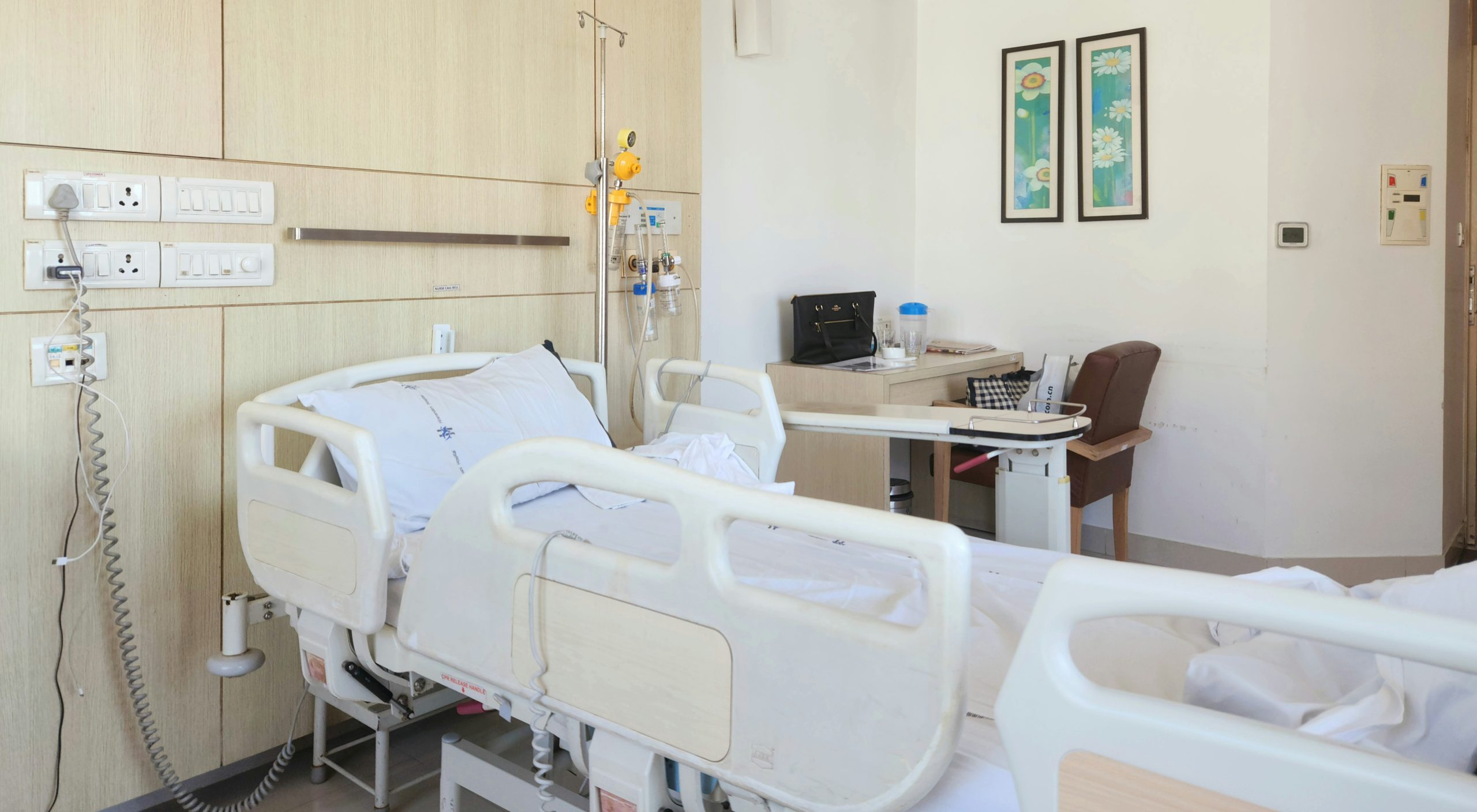
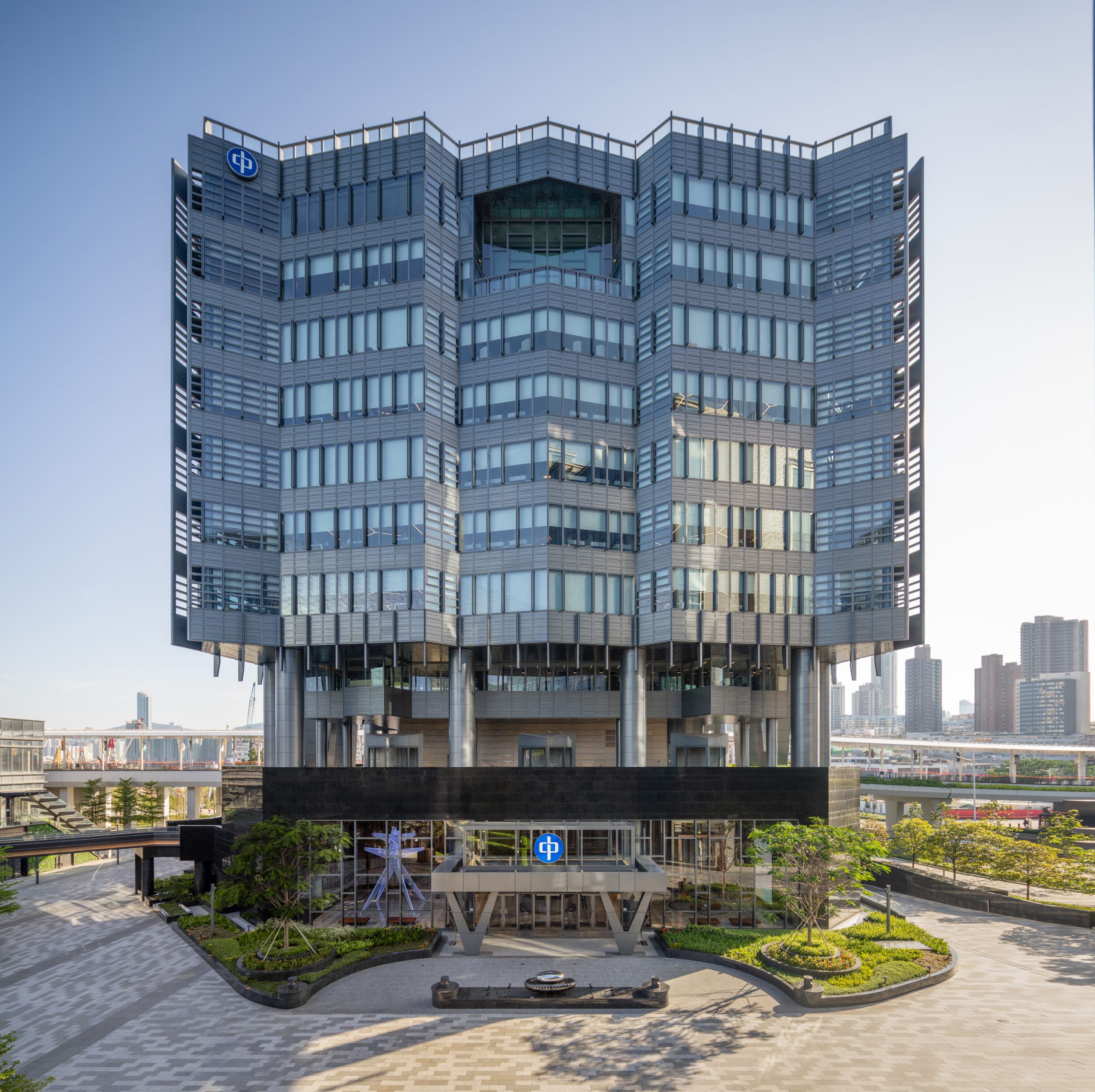
Depending on the workspace, employees face different air quality challenges, from office workers to people working in areas where exposure to pollutants is more common.

Air quality is more than just choosing an air purifier, but the way you travel, where you shop, eat and relax all have different impacts on the air you are exposed to.

IAQ work

IAQ work

IAQ work